OSINT.org is an online media monitoring portal that specializes in tracking and analyzing open source intelligence (OSINT). The platform offers a range of tools and resources to help users stay up-to-date on the latest developments in their industry and make informed decisions based on real-time data.
One of the key features of OSINT.org is its ability to track and measure the reach and impact of online media campaigns. Users can set up alerts and notifications to track the performance of their campaigns in real-time, and use the data and analytics tools provided by the platform to measure the success of their efforts. This can help users optimize their campaigns and get the most value from their online media efforts.
In addition to its media monitoring capabilities, OSINT.org also offers a range of resources for analyzing and understanding the broader online media landscape. This includes features such as keyword tracking, sentiment analysis, and competitor analysis, which can help users stay on top of industry trends and identify new opportunities for growth.
OSINT.org is an especially useful resource for organizations and individuals interested in tracking and analyzing open source intelligence. The platform’s comprehensive tracking and analytics tools can help users stay up-to-date on the latest developments in their industry and make informed decisions based on real-time data.
Overall, OSINT.org is a valuable resource for anyone looking to track and analyze online media, and especially for those interested in open source intelligence. With its comprehensive tracking and analytics tools, OSINT.org is an essential tool for anyone looking to optimize their online media campaigns and stay ahead of the curve in the digital media landscape.
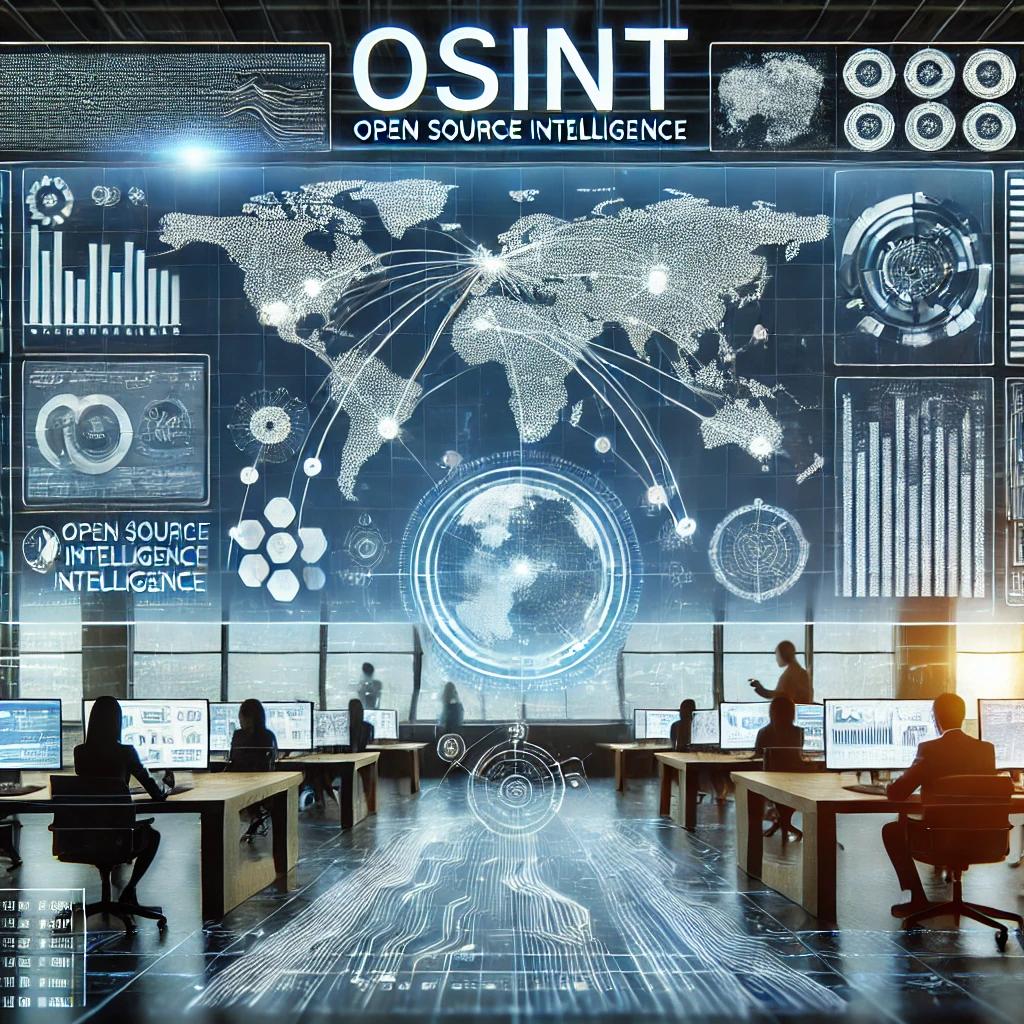
OSINT Concept
Nothing beats Three Days of the Condor, a 1975 American political thriller film directed by Sydney Pollack and starring Robert Redford, Faye Dunaway, Cliff Robertson, and Max von Sydow, based on the 1974 novel Six Days of the Condor by James Grady, brilliantly describing the very essence of OSINT:
“Listen. I work for the CIA. I am not a spy. I just read books! We read everything that’s published in the world. And we… we feed the plots – dirty tricks, codes – into a computer, and the computer checks against actual CIA plans and operations. I look for leaks, I look for new ideas… We read adventures and novels and journals. I… I… Who’d invent a job like that?”, says Joe Turner, an OSINT analyst from Three Days of the Condor caught in a whirlwind of spy intrigue.
The film features Robert Redford as Joe Turner, a CIA analyst who works for the agency’s literary research division. His job is to read books, newspapers, and other written materials from around the world to identify potential security threats and patterns. This is a form of Open Source Intelligence (OSINT), as his work involves gathering information from open, publicly available sources to support intelligence operations.
In the film, Joe Turner, known by his codename “Condor,” returns from a lunch break one day to find all his colleagues murdered. He must then go on the run to find out why they were killed and who is after him. His expertise in analyzing open sources becomes crucial as he tries to piece together clues and navigate the complex web of espionage and intrigue.
Overall, the film portrays OSINT as a valuable intelligence-gathering method that can be used to uncover important information, though it can also put those who gather it in danger when they stumble upon sensitive information.
Open-Source Intelligence (OSINT) is intelligence produced from publicly available information that is collected, exploited, and disseminated in a timely manner to an appropriate audience for the purpose of addressing a specific intelligence requirement. OSINT draws from a wide variety of information and sources, including the following:
Mass Media: Internet, newspapers, magazines, radio, television.
Public Data: Information derived from government reports; official data, such as data on budgets and demographics; hearings; legislative debates; press conferences, speeches, directories, organizational charts, marine and aeronautical safety warnings, environmental impact statements, contract awards, and required financial disclosures, and other public sources.
Gray Literature (or Grey Literature): Opensource material that usually is available through controlled access for a specific audience. Gray literature may include, but is not limited to, research reports, technical reports, economic reports, travel reports, working papers, discussion papers, unofficial government documents, proceedings, preprints, studies, dissertations and theses, trade literature, market surveys, and newsletters. The material in gray literature covers scientific, political, socioeconomic, and military disciplines.
Observation and Reporting: Information of significance, not otherwise available, that is provided by, for example, amateur airplane spotters, radio monitors, and satellite observers. The availability of worldwide satellite photography, often in high resolution, on the Web (e.g., Google Earth) has expanded the public’s ability to acquire information formerly available only to major intelligence services.
OSINT.org is an online platform that provides open-source intelligence solutions for businesses, organizations, and individuals. The website offers a wide range of services including data collection, analysis, and reporting, focusing on publicly available information such as news articles, social media posts, and government reports.
The website’s user-friendly interface allows users to easily navigate and find the information they need, with sections dedicated to different topics, as well as a search function that allows users to search for specific keywords or phrases. It also offers a subscription service that sends regular updates on specific topics or keywords to the users.
OSINT.org’s team of experts are highly experienced and knowledgeable in open-source intelligence, and they are dedicated to providing accurate, reliable, and actionable information to help users make informed decisions. The team employs advanced web scraping, data mining, and natural language processing techniques to collect and analyze large amounts of data from various sources, providing insights that traditional intelligence-gathering methods may miss.
The website is a valuable resource for businesses, organizations, and individuals looking to stay informed about the latest developments in their respective fields, whether they are students, researchers, journalists, or simply interested individuals. The platform also offers training and consultation services to help users to learn the best practices and techniques to gather information using OSINT methods.
In addition to providing services, OSINT.org also offers a blog section where industry experts share their insights and tips on OSINT, as well as updates on new releases and upcoming products. The blog is updated regularly with fresh content, providing readers with the latest information on best practices, trends, and new technologies in the field of open-source intelligence.