• Skip to main content
  • Skip to secondary menu
  • Skip to footer

OSINT.org

Intelligence Matters

  • Sponsored Post
  • About
    • GDPR
  • Contact

China’s Global Expansion: The Quest for Control Over Critical Infrastructure

February 12, 2023 By admin Leave a Comment

China has been acquiring critical infrastructure around the world through a variety of methods, including direct investment, state-owned enterprises, and state-sponsored companies. This has been a part of the country’s broader economic strategy to acquire valuable assets and gain access to new markets and resources.

One notable example of China’s acquisition of critical infrastructure is through its Belt and Road Initiative, a global infrastructure development strategy that aims to connect Asia, Europe, and Africa through a network of transportation routes and infrastructure projects. This initiative has allowed China to finance and build key infrastructure projects in countries around the world, increasing its influence and control over key economic and strategic assets.
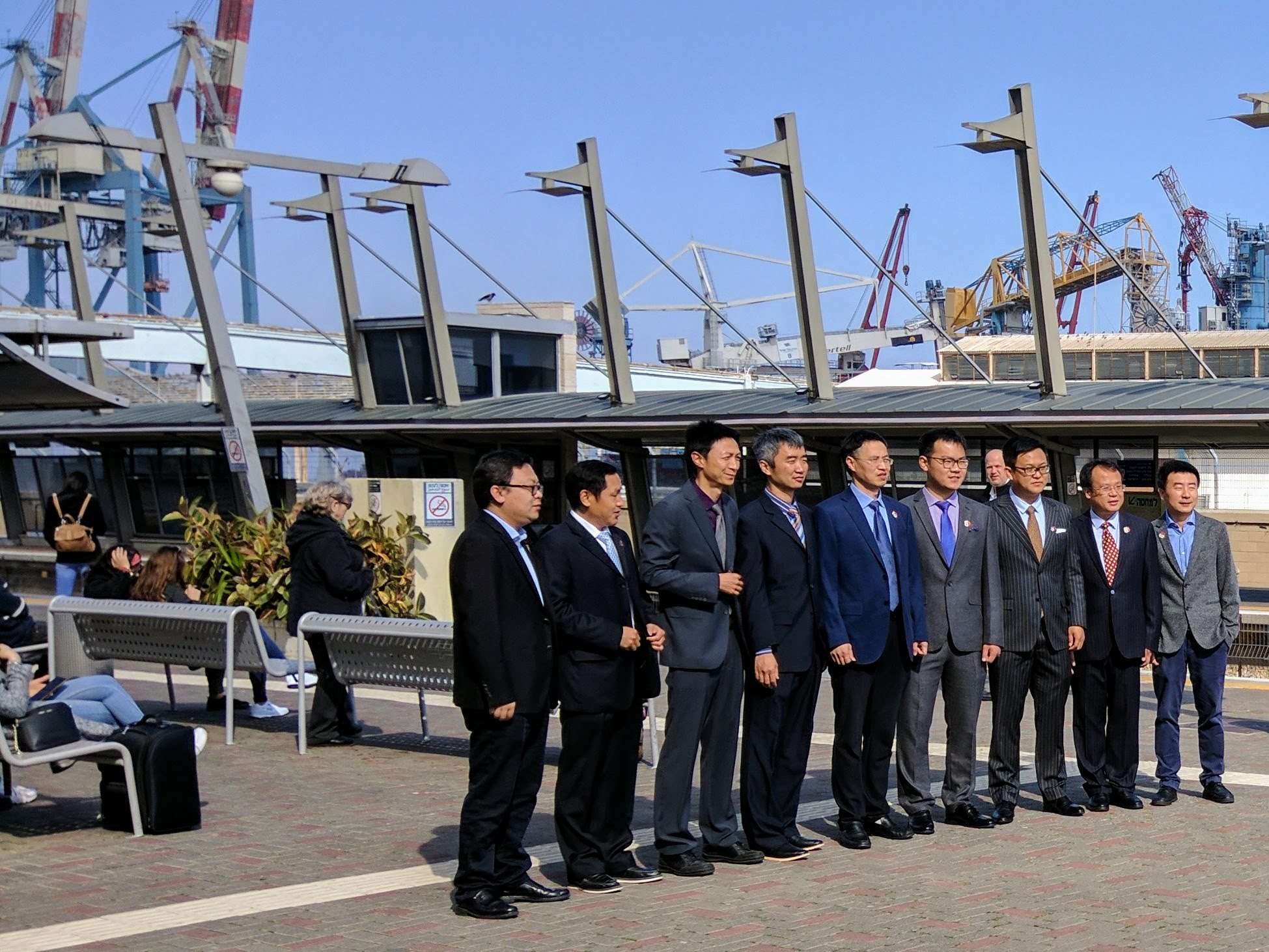
China's Global Expansion: The Quest for Control Over Critical Infrastructure

In addition, China’s state-owned enterprises and state-sponsored companies have been actively investing in critical infrastructure projects in many countries, including ports, power plants, and telecommunications networks. These investments have raised concerns about the potential for China to gain control over important assets and critical systems, and some countries have imposed restrictions or regulations on foreign investment in critical infrastructure to protect their national security interests.

Overall, China’s acquisition of critical infrastructure around the world is a complex and multi-faceted issue that raises important questions about the balance between economic development and national security. It is crucial for governments and organizations to carefully consider the risks and benefits of these investments, and to ensure that the interests of their countries and citizens are protected.

Filed Under: News Tagged With: China

Reader Interactions

Leave a Reply Cancel reply

Your email address will not be published. Required fields are marked *

Footer

Recent Posts

  • Georgia, Sanctions Backdoor, and the Machinery of Russia’s Shadow Fleet
  • Markets Close, Missiles Open? Why the Iran War Rumor Keeps Returning
  • The Tanker Surge That Signals U.S. Military Readiness in the Iran Theater
  • Trump’s Greenland Distraction: A Kremlin-Style Wedge That Pays in Ukraine
  • Why I Think a U.S. Attack on Iran Is Imminent
  • Why Authoritarian Regimes Hate Starlink: China, Iran, and the Fear of Uncontrolled Connectivity
  • Signals, Noise, and Late-Night Pizza: OSINT Readings on a Possible U.S. Strike on Iran
  • Switzerland Freezes Maduro-Linked Assets After Arrest
  • CentralSquare Technologies Acquires FirstTwo to Advance Real-Time Intelligence for First Responders
  • IMINT Brief: Virgin Galactic–LLNL High-Altitude Sensor Collaboration

Media Partners

  • Analysis.org
  • Opinion.org
When AI Growth Starts Eating the Margins: Why Broadcom’s Warning Matters More Than the Stock Drop
Intel Q4 2025: Stabilization Without Momentum, AI Narrative Doing the Heavy Lifting
PR Bubbles and Forgotten Deals: Why Greenland Will Join Trump’s Archive of Vanishing Announcements
Nvidia’s $150 Million Bet on Baseten Is About Control, Not Just Compute
Maersk Downgraded, Shares Slide — and the Market’s Discomfort With Normality
Why Beam Therapeutics Inc. Jumped 27%: A Market Reading Beyond the Headline
Tempus AI Signals Platform Leverage as Diagnostics and Data Scale in Tandem
Why AMD, Nvidia, and Broadcom Are Pulling Back Today
Why Broadcom, AMD, and Nvidia Are Rising Again in 2026
Cisco Is Not in a Breakthrough
OFAC Tightens the Net: Inside the U.S. Sanctions on Iran’s Shadow Fleet
Stop Treating the Kurds as a Temporary Tool: The West’s Strategic Blind Spot in Syria
Stale Democracies and the Rise of the Grotesque
The Next Bubble: Trump’s “Alternative UN” and the Politics of Imaginary Institutions
Treasury Exposes Hamas’s Charity Fronts, and the Mask Finally Slips
Why Saudi Arabia Turned Against Israel: The Specific Reasons Behind the Shift
Trump’s Greenland Bluff
Europe’s Moral Collapse on Iran
Why a 2026 Impeachment of Trump Is Unlikely, but Not Impossible
Iran’s $8 Billion Crypto Economy, Stress Signal or System Adaptation?

Media Partners

  • Market Analysis
  • Market Research Media
Baseten Raises $300M to Dominate the Inference Layer of AI, Valued at $5B
Nvidia’s China Problem Is Self-Inflicted, and Washington Should Stop Pretending Otherwise
USPS and the Theater of Control: How Government Freezes Failure in Place
Skild AI Funding Round Signals a Shift Toward Platform Economics in Robotics
Saks Sucks: Luxury Retail’s Debt-Fueled Mirage Collapses
Alpaca’s $1.15B Valuation Signals a Maturity Moment for Global Brokerage Infrastructure
The Immersive Experience in the Museum World
The Great Patent Pause: 2025, the Year U.S. Innovation Took a Breath
OpenAI Acquires Torch, A $100M Bet on AI-Powered Health Records Analytics
Iran’s Unreversible Revolt: When Internal Rupture Meets External Signals
BBC and the Gaza War: How Disproportionate Attention Reshapes Reality
Parallel Museums: Why the Future of Art Might Be Copies, Not Originals
ClickHouse Series D, The $400M Bet That Data Infrastructure, Not Models, Will Decide the AI Era
AI Productivity Paradox: When Speed Eats Its Own Gain
Voice AI as Infrastructure: How Deepgram Signals a New Media Market Segment
Spangle AI and the Agentic Commerce Stack: When Discovery and Conversion Converge Into One Layer
PlayStation and the Quiet Power Center of a $200 Billion Gaming Industry
Adobe FY2025: AI Pulls the Levers, Cash Flow Leads the Story
Canva’s 2026 Creative Shift and the Rise of Imperfect-by-Design
fal Raises $140M Series D: Scaling the Core Infrastructure for Real-Time Generative Media

Copyright © 2022 OSINT.org

Technologies, Market Analysis & Market Research and Exclusive Domains