Standing above the port scene in the image, you catch a moment that feels deceptively ordinary: a bright-green Italia-branded container ship edged neatly between towering cranes, its decks stacked with rows of Evergreen containers in those familiar, almost friendly shades of mint and forest green. The water is calm, the workflow steady, and below the cranes a vast grid of newly imported cars glints under the sun like some carefully arranged mosaic. Everything about the scene whispers routine, the kind of day that usually slips by without anyone giving it a second thought. And yet—well, sometimes the quietest details are exactly the ones worth paying attention to.
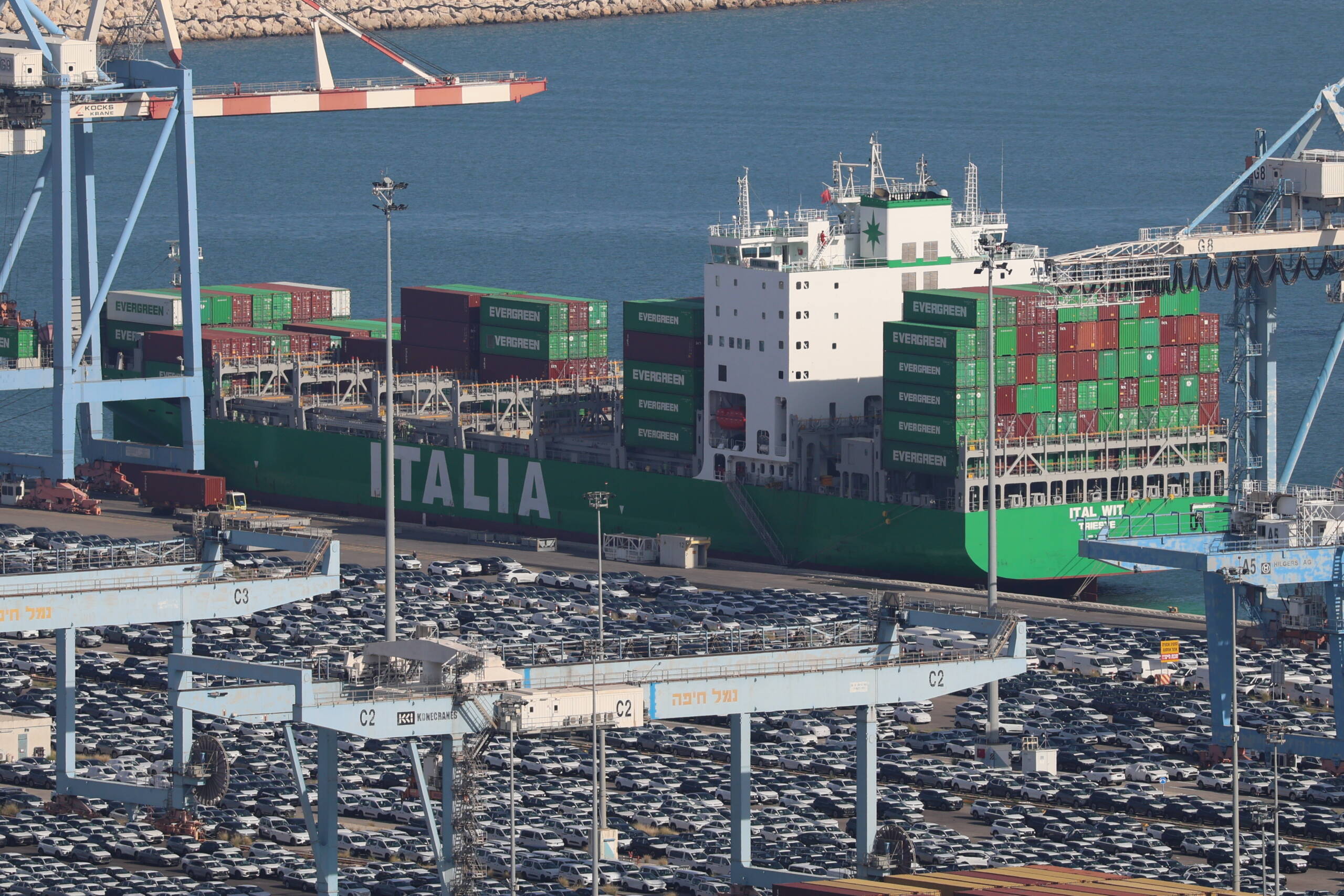
Shot with Canon 8, Image Credits: pho.tography.org
What this market analysis report report points out, a bit sharply even, is that these very containers—those boxy green units stacked five or six high on the ship’s deck—may be hiding a strategic vulnerability almost everyone overlooked. When you zoom in mentally on the image, you start noticing the repetition: Evergreen, Evergreen, Evergreen. The branding runs like wallpaper across the stacks, and the sheer volume of them hints at an industry where dominance is more than just market share; it’s infrastructure dependency. These containers, after all, aren’t just metal boxes. They’re the physical skeleton of global trade. Every supply chain—cars, clothes, semiconductors, grain—relies on them moving smoothly across oceans, ports, and borders.
The unsettling part, as the MarketAnalysis.com piece lays out, is just how concentrated the manufacturing of these boxes has become. China produces, depending on the year, roughly 90% of the world’s shipping containers. It’s almost absurd when you think about it: one country effectively manufactures the vessels that everything else must sit inside. Those green stacks in the photo feel suddenly less neutral and more like a quiet symbol of strategic leverage hiding in plain sight. If you squint at the ship’s hull against the backdrop of all those parked cars waiting for distribution, the whole port turns into a living diagram of global interdependence—smooth on the surface, fragile underneath.
A plausible OSINT angle here is that shipping containers are the kind of infrastructure that no one thought could be weaponized—until suddenly it becomes obvious how they might. Restricting container supply, raising prices, slowing outbound production, or selectively prioritizing “friendly” markets could all throttle global logistics without firing a single shot. The picture gives this idea a strangely cinematic quality: cranes frozen mid-swing, stacks of imports quietly accumulating on the ground, and above it all, the Evergreen containers perched like strategic assets waiting to be moved—or withheld. It’s not hard to imagine how quickly a disruption here would ripple out. Cars don’t roll out of this port without a container having brought in their components. Shelves don’t stay stocked. Neither do factories stay running.
And yes, maybe it’s easy to read too much into a single snapshot, but part of the value of OSINT is precisely in these mundane visual cues that hint at systemic dependencies. When you look at the image again with this lens, those uniform green blocks become a reminder that the next trade war may not revolve around headline technologies like chips or AI models—but around who controls the boring, stackable, steel rectangles that keep global commerce alive. The quiet stuff, in other words, may turn out to be the decisive battleground.
If this analysis feels a bit speculative, that’s almost the point. The vulnerabilities in global trade rarely announce themselves with drama. They sit calmly at the dock, painted in a pleasant shade of green, waiting for someone to notice.
Leave a Reply